
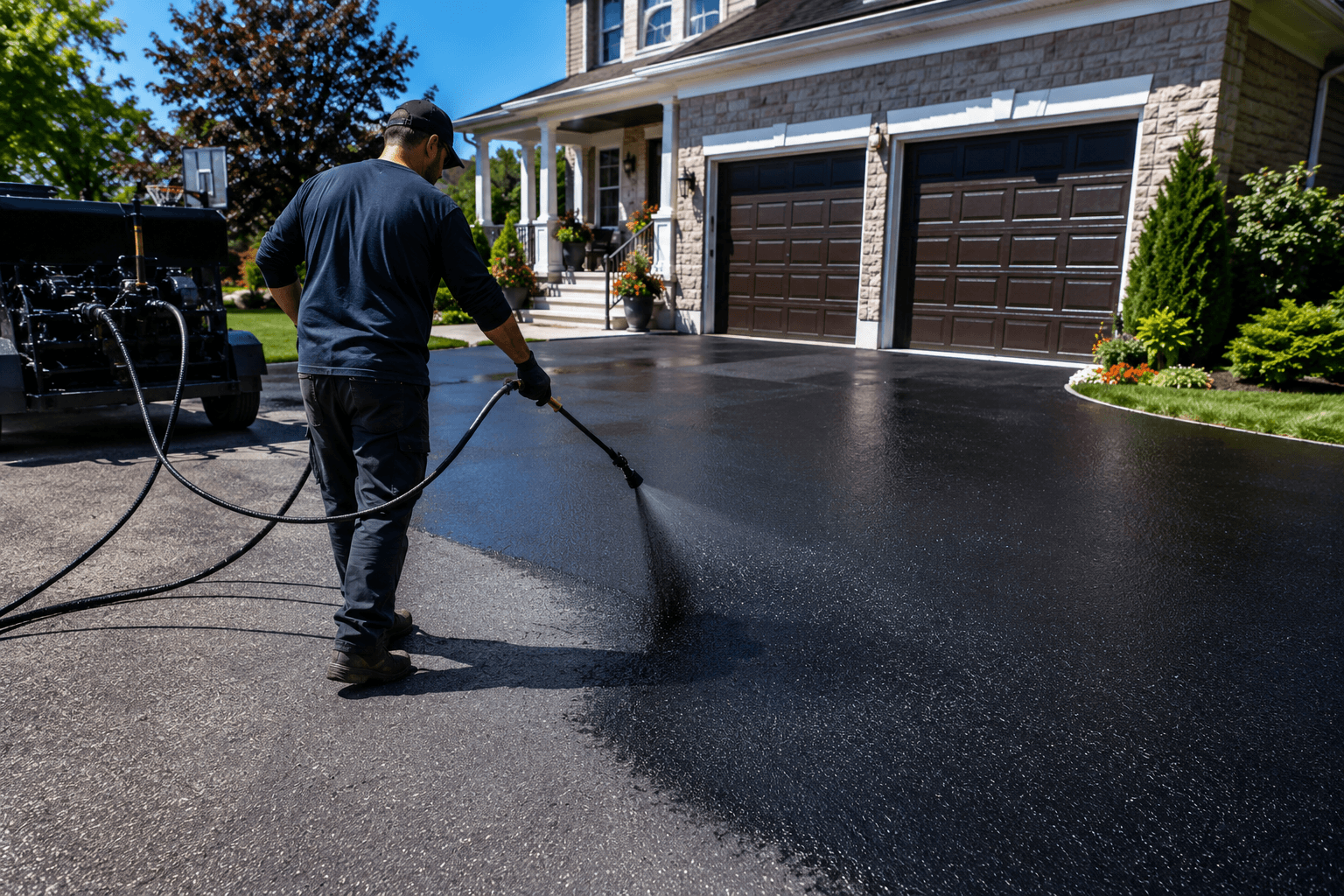
Driveway Sealcoating in Charlotte, NC
A protective seal coat restores that deep-black look and shields asphalt from sun, water, and oil — adding years of life for a small yearly cost.
Signs your driveway is due
Gray, dried-out color
Black has faded to gray — the surface has lost its protective binder.
2–3 years since last seal
Sealcoat wears off over time — regular reapplication keeps protection up.
Water soaks in, not beads
When rain absorbs instead of beading up, the seal is gone.
Why Charlotte driveways need it
Asphalt has two enemies: sun and water. Carolina summers put a lot of UV on your driveway, and that oxidizes and dries out the surface over time. Water is worse — it works into hairline cracks, and repeated freeze-thaw temperature swings through the winter make those cracks bigger each cycle. Sealcoating puts a protective layer between your asphalt and both of those problems.
What sealcoating does — and doesn't do
Sealcoating has an upsell reputation, and it's earned when contractors aren't upfront about its limits. Here's the honest version:
What it does
What it doesn't do
Our sealcoating process
Clean & prep
Clear debris, dirt, and vegetation so the seal coat actually bonds.
Crack fill first
Cracks get filled before sealing — sealing over an open crack traps water instead of blocking it.
Edge & mask
Clean edges along the garage, lawn, and driveway border for a crisp finish.
Apply two coats
Two coats, not one — the standard for even coverage and real protection.
Cure
24–48 hours to cure before driving or parking on it, depending on weather.
What sealcoating costs in Charlotte
Sealcoating is priced per square foot and is by far the cheapest way to protect a driveway:
| Service | Typical cost | How often |
|---|---|---|
| Sealcoating | $0.15 – $0.25 / sq ft | Every 2–3 years |
| Resurfacing (for comparison) | $2 – $5 / sq ft | 10–15 years |
General ranges for illustration. Get a free quote for a number specific to your driveway's size.
When to sealcoat (and when not to)
New asphalt needs to cure and off-gas before it can be sealed — sealing too early traps oils underneath and causes problems. After that first seal, the right cadence is every 2–3 years. Sealing more often than that is a real thing contractors do to pad invoices, and it wastes your money without adding protection.
6–12 months after install
First seal, once new asphalt has fully cured.
Every 2–3 years after
Standard maintenance cadence — more often is unnecessary.
April–October
Best window in Charlotte — sealer needs temps consistently above 50°F to bond properly.
Source: Why asphalt performs — NAPA
Faded to freshly protected
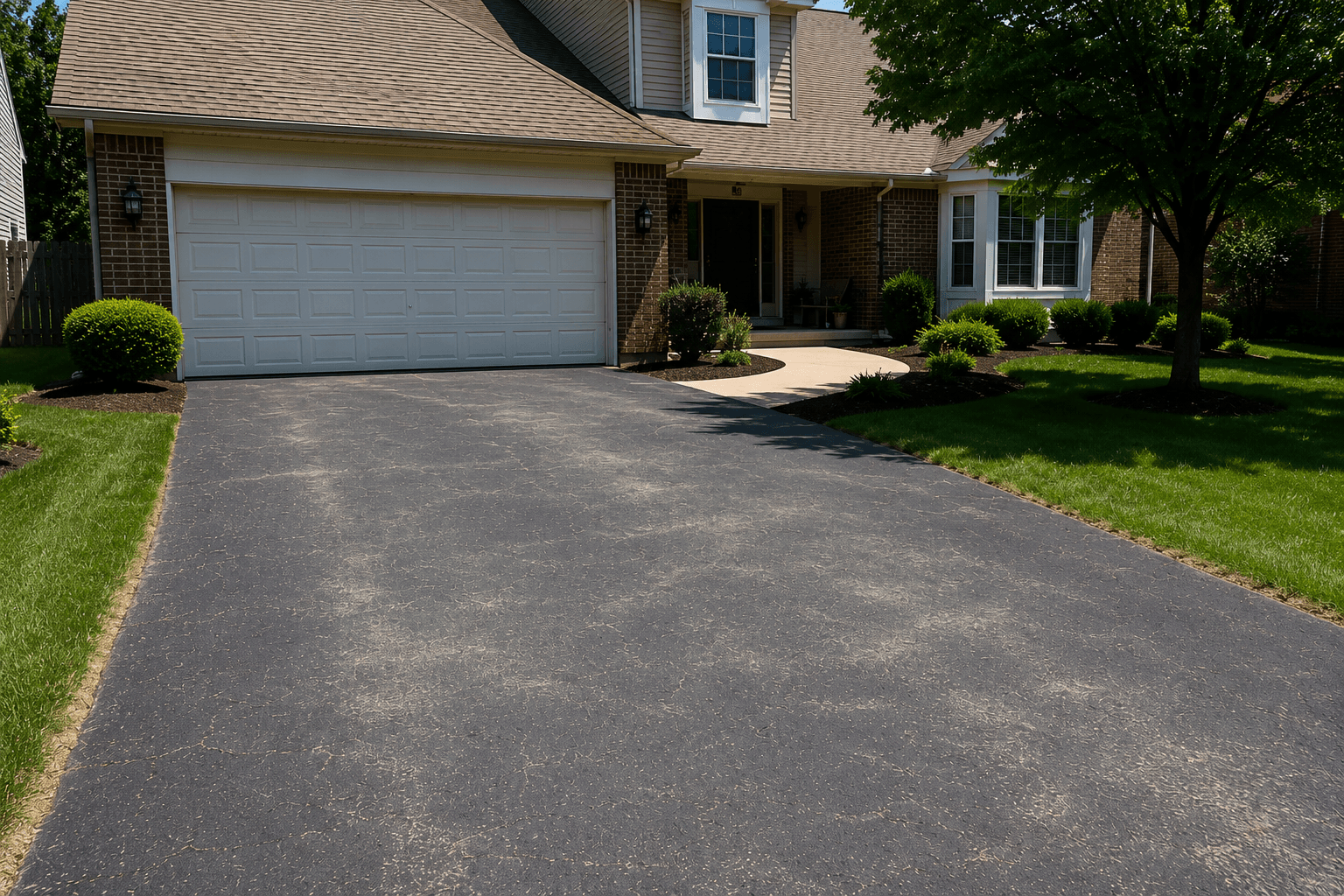 BEFORE
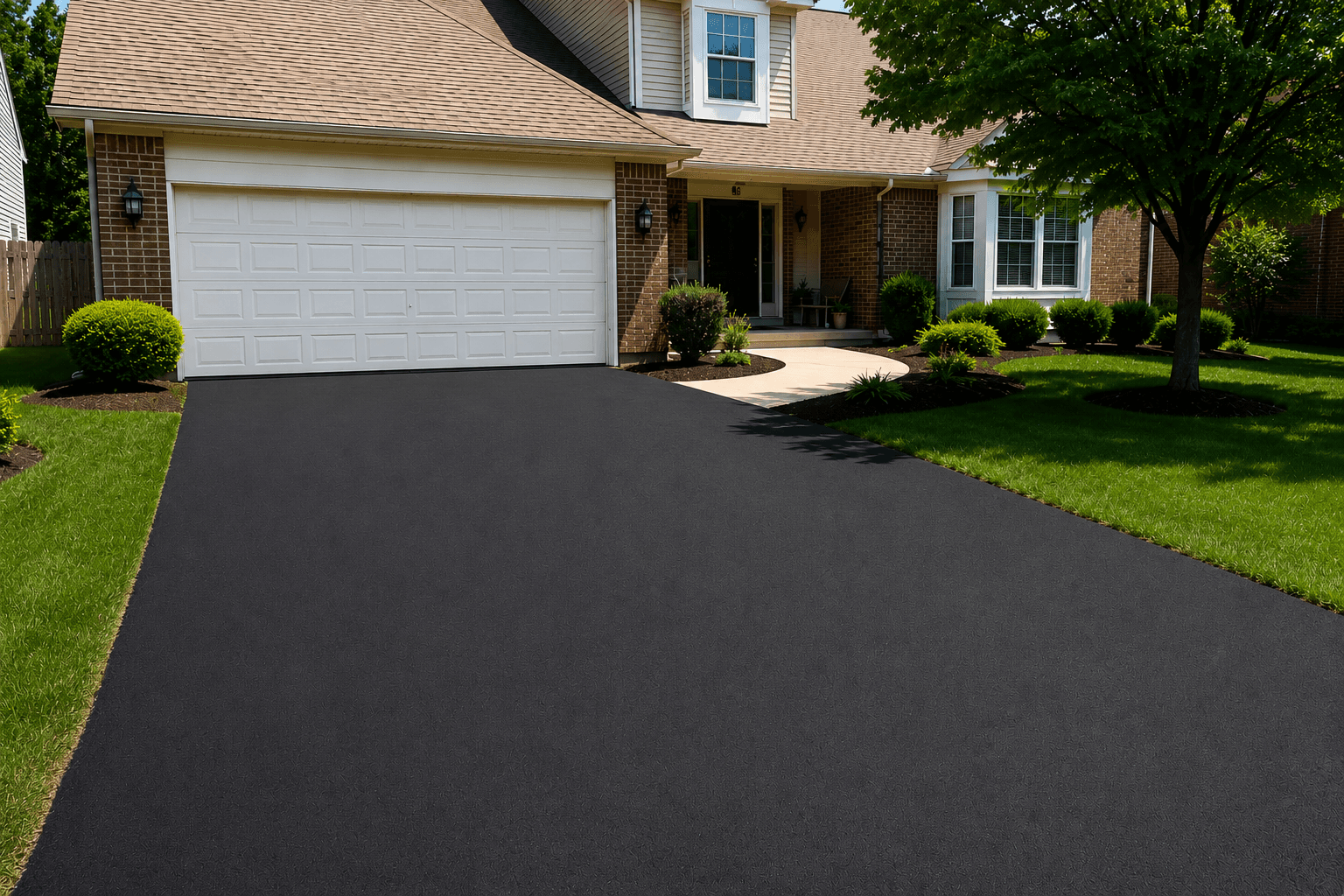 AFTER
AFTERFull driveway seal coat · Charlotte metro
Gray, sun-worn asphalt restored to a deep black finish and protected against water, UV, and oil.
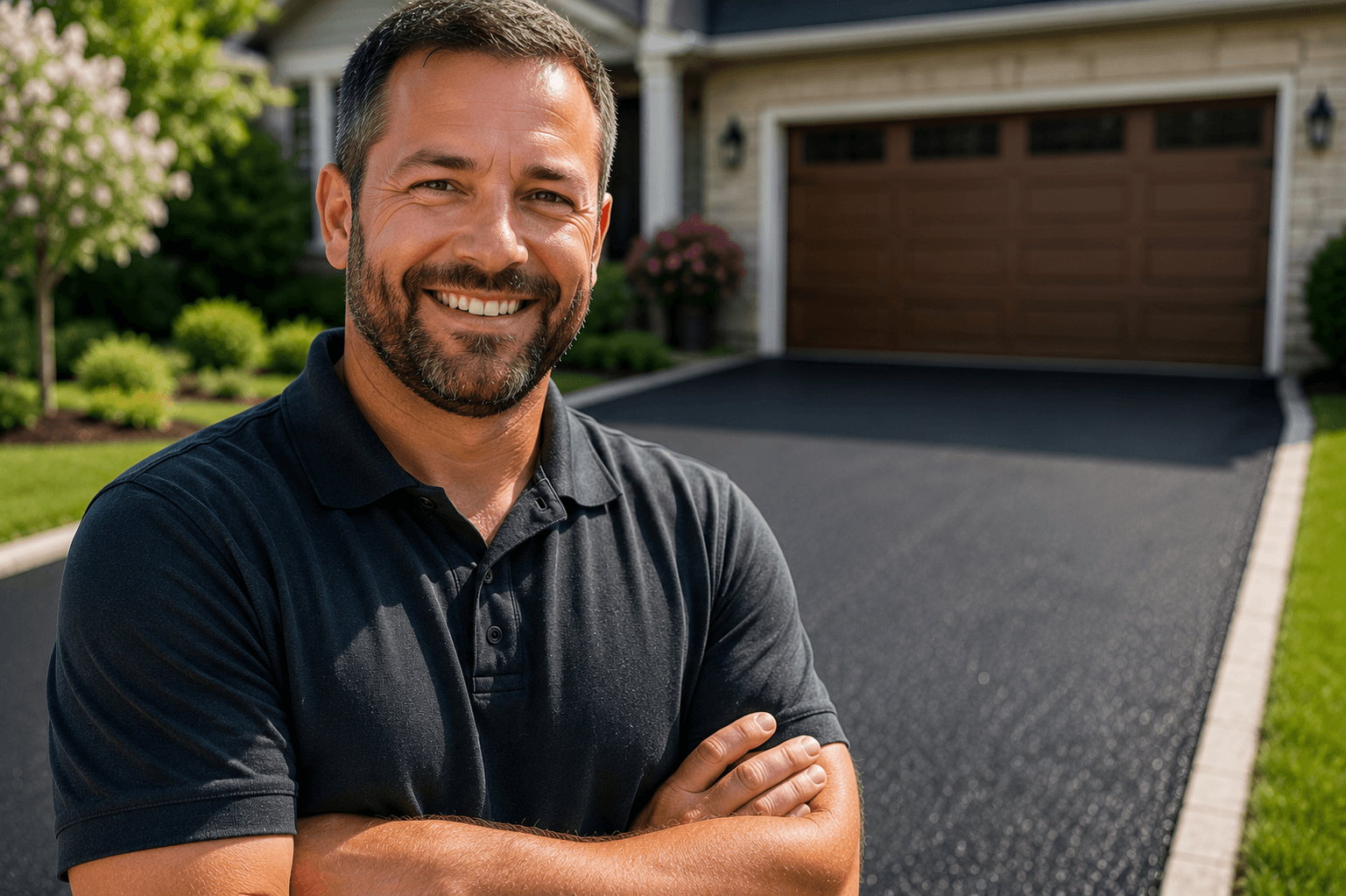
Homeowners keeping their driveway protected
"Sealcoated our driveway and it looks brand new again. Showed up exactly when they said they would."
Sealcoating across the Charlotte metro
Tap your town for local details, or just request a quote.
Sealcoating FAQs

Keep your driveway black and protected
A seal coat every few years is the cheapest way to make asphalt last. Get a free quote.